
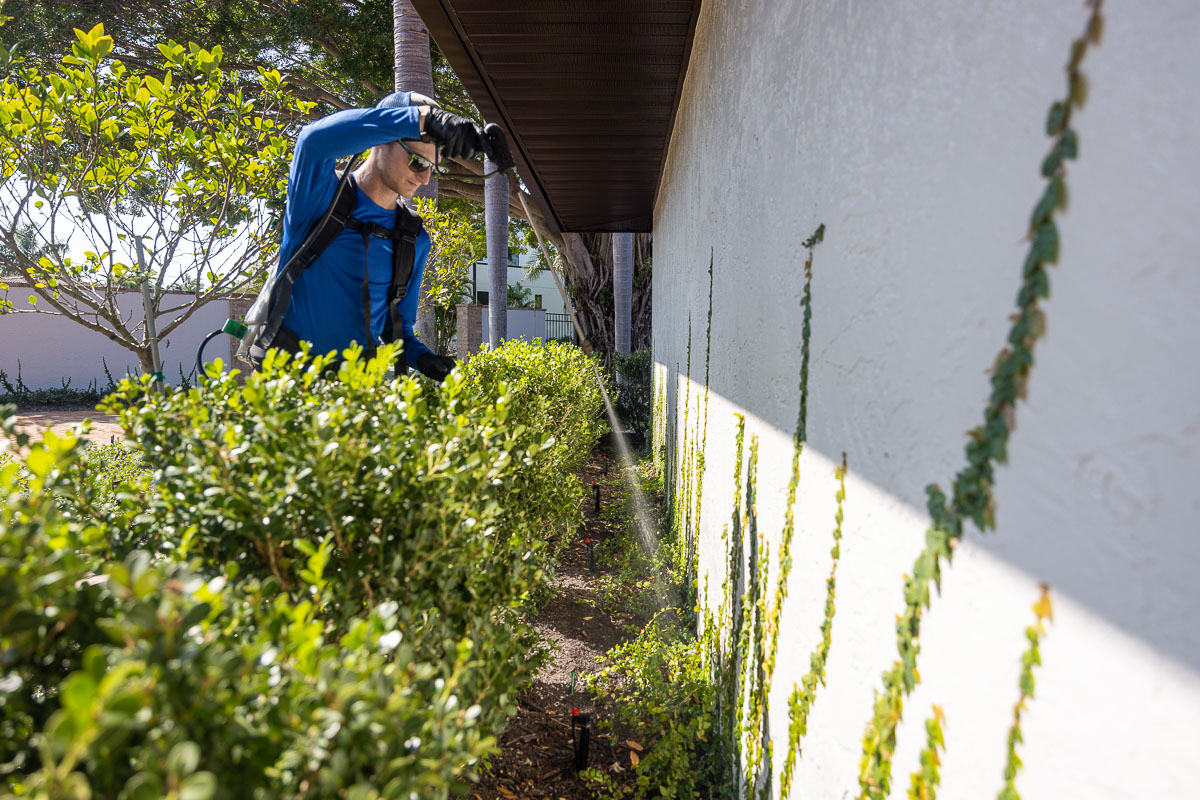
A first impression is created in motion. It begins at the street, develops along the driveway or walkway, and becomes complete at the entry. Thoughtful landscaping guides that experience and gives the home a sense of identity before anyone steps inside.
The landscape frames the architecture.
Every home has important lines, proportions, and features. A strong landscape supports them. Lower plantings can preserve a beautiful window. Upright forms can balance a tall wall. Repeated shrubs can visually connect separate sections of the facade, while a carefully placed specimen can draw attention toward the entry.
When plants are selected without considering the architecture, they can hide details, make the home feel smaller, or create visual weight in the wrong place. Curb appeal improves when the landscape and the structure appear to have been considered together.
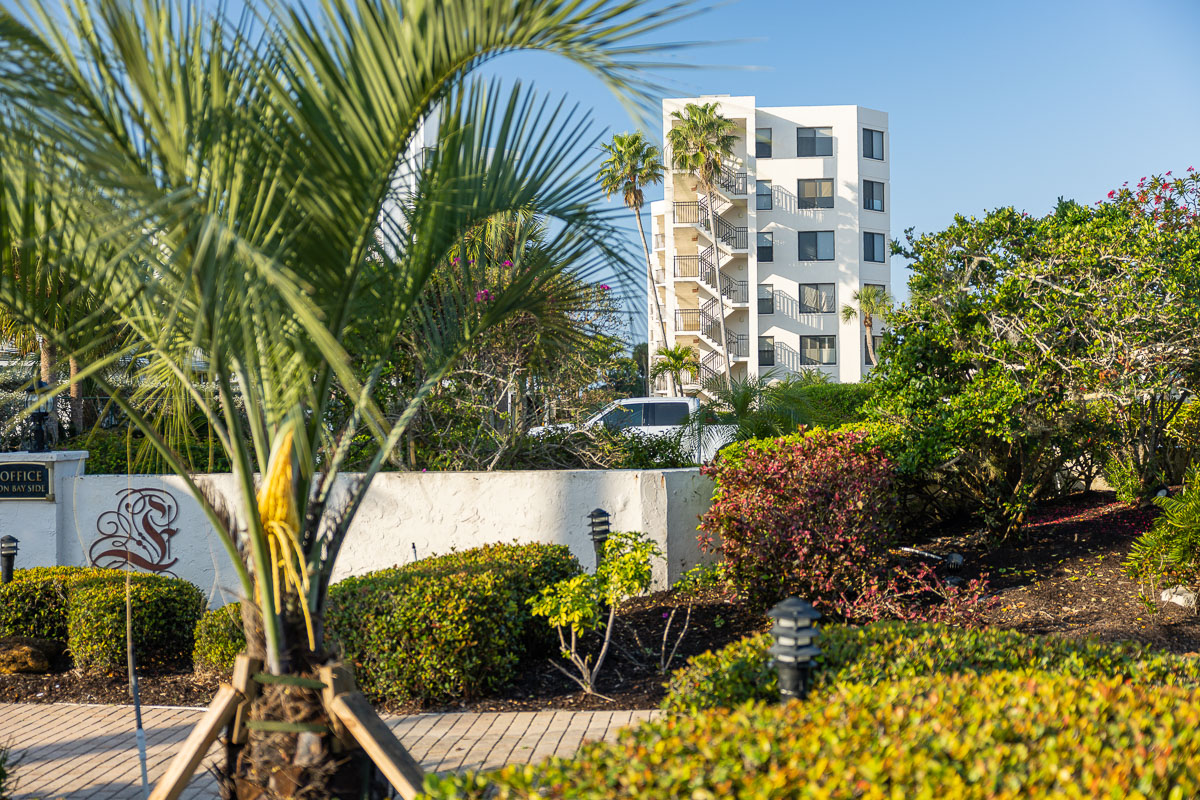
Proportion, repetition, and open views allow the architecture to remain the focus.
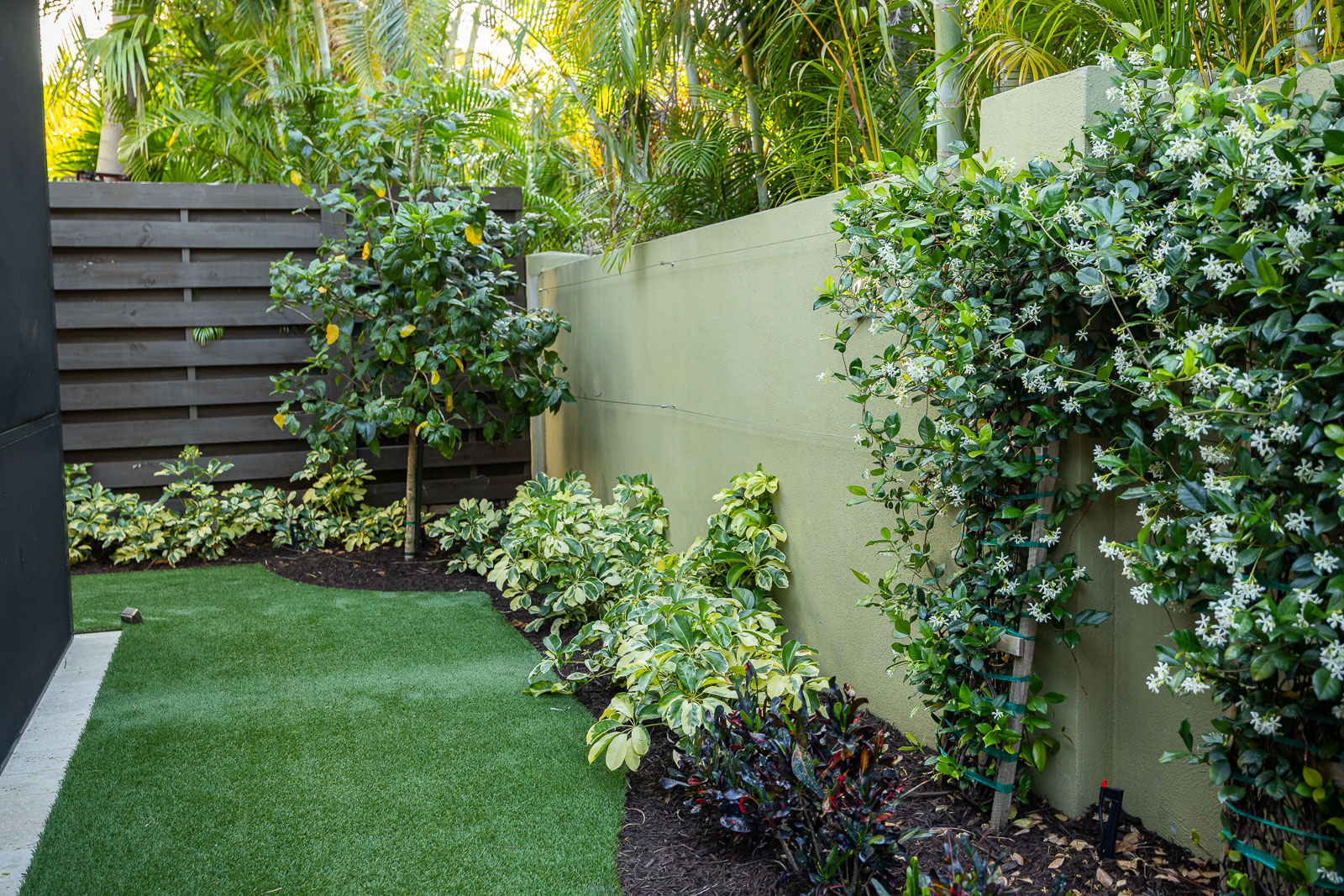
Careful placement and finishing details make the approach feel complete.
Arrival should feel intentional.
The route from the street to the front door is one of the most important sequences in a residential landscape. Bed lines, walkway edges, lighting, focal plants, and changes in texture can all help visitors understand where to go without relying on signs or excessive ornament.
A strong arrival does not need to be formal. It needs to be clear. The landscape should create a gentle visual pull toward the entry while maintaining comfortable circulation and open sightlines. When the destination is obvious, the property feels more welcoming and composed.
Finishing materials matter as well. Mulch, stone, borders, and clean transitions between lawn and planting beds influence whether the landscape feels temporary or established. These quieter details often determine how polished the first impression becomes.
“Curb appeal is not decoration added to a home. It is the relationship between the home and everything that surrounds it.
Color creates emotion and focus.
Color is often the first element people notice, but its placement is more important than its quantity. Concentrated color near an entry can create emphasis. Repeating a foliage tone across the property can provide continuity. A restrained palette can make an architectural material feel richer and more intentional.
Too many unrelated colors can divide the landscape into competing moments. A more considered approach establishes a dominant palette and uses brighter accents where they will contribute to the experience of arrival.
What should a visitor notice first, and does the landscape help the eye arrive there naturally?
A lasting impression improves with time.
Immediate beauty matters, but a successful front landscape must also mature gracefully. Plants need enough room to develop without covering windows, narrowing walkways, or requiring constant correction. The best design anticipates the mature relationship between every plant and the home.
This long view is what separates a quick refresh from a defining landscape. Thoughtful scale, dependable structure, purposeful color, and careful detailing create a first impression that remains convincing long after installation day.
A home feels most complete when the landscape expresses the same level of care as the architecture. Together, they tell one clear story about the people who live there and the way the property is valued.